Battle Nexus – Enter the Arena and Dominate Every Battle
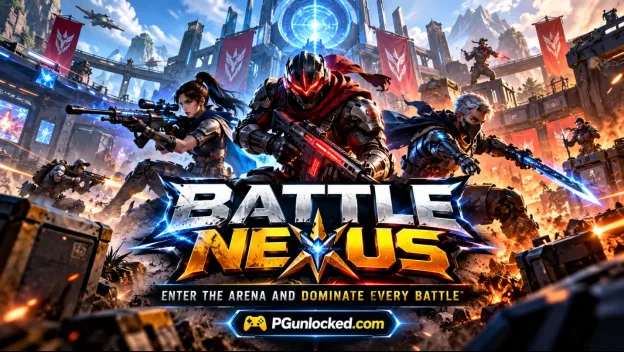
Battle Nexus is an action-focused gaming concept built around intense arena combat, tactical decision-making, powerful character progression, and competitive challenges. It places players inside a futuristic battlefield where every match demands quick reactions, smart positioning, and the ability to adapt under pressure. The main idea behind Battle Nexus is simple: enter the arena, survive the fight, defeat powerful opponents, and rise through increasingly difficult challenges. However, winning is not only about attacking faster than everyone else. Players must understand movement, timing, abilities, map control, and enemy behavior if they want to dominate every battle.
The game can appeal to players who enjoy fast matches, competitive environments, character upgrades, and skill-based combat. Different fighters, weapons, abilities, and arenas can create a wide variety of playstyles. One player may prefer aggressive close-range combat. Another may focus on ranged attacks and careful positioning. Some players may use defensive abilities and wait for the perfect opportunity to strike. This flexibility gives Battle Nexus the potential to remain interesting across many matches.
What Is Battle Nexus?
Battle Nexus is a combat arena game concept where players compete in high-energy battles across different maps and game modes. The word “Nexus” represents the central connection between multiple battle zones, fighters, technologies, and challenges. Players enter this competitive world through the Nexus and fight their way toward higher ranks. Each battle can take place in a unique environment. Some arenas may feature futuristic cities filled with glowing signs and mechanical platforms.
Others may take players into desert fortresses, frozen bases, abandoned factories, or high-tech laboratories. Every location can introduce different obstacles and tactical opportunities. The goal is not simply to create visually different maps. Each arena should influence the way players fight. Open areas can favor long-range attacks. Tight corridors can create intense close-range encounters. Elevated platforms can reward players who control high ground. Environmental hazards may force players to stay alert throughout the match.
Enter the Arena
The arena is where every challenge begins. Before entering a match, players can select their fighter, equipment, abilities, and preferred combat setup. Once the battle starts, players must immediately understand the situation. Where are the enemies? Which areas provide protection? Where can powerful resources be found? What objectives should be completed first? These questions can influence the entire match. Strong players do not simply rush toward the nearest opponent. They observe the environment and make fast decisions. The arena should feel unpredictable. Enemies may approach from several directions. Platforms may move. Doors may open and close. Certain zones may become dangerous after a specific amount of time. These changes keep players moving and prevent matches from becoming too predictable.
Choose Your Fighter
Character variety is one of the strongest ways Battle Nexus can create different gameplay experiences. Each fighter may belong to a specific combat class. Some characters can focus on speed and mobility. Others can specialize in heavy damage. Defensive fighters may have stronger armor or protective shields. Support characters can provide healing, buffs, or battlefield assistance. This creates meaningful choices before every match. A fast fighter may be excellent at chasing weak enemies but struggle in direct fights against heavily armored opponents. A powerful tank-style character may survive longer but move more slowly. A ranged specialist may dominate from a distance but become vulnerable when enemies get too close. Players must learn the advantages and weaknesses of different fighters.
Fast and Responsive Combat
Combat is the heart of Battle Nexus. Controls should feel quick and responsive so players can react immediately. Basic attacks should be easy to understand. Advanced techniques should require practice. Players may have access to standard attacks, charged attacks, special abilities, defensive moves, dodges, counters, and ultimate skills. The best combat systems reward timing. Attacking at the wrong moment can leave the player vulnerable. Dodging too early may allow an enemy to change direction. Using an ultimate ability without planning can waste an important opportunity.Skill should become increasingly important as players face stronger opponents.
Master Different Weapons
Weapons can significantly change how each fighter performs. Battle Nexus may include several weapon categories. Rapid-fire weapons can provide strong sustained damage. Precision rifles may reward accurate players. Shotguns can dominate at close range. Energy weapons may provide unique effects. Melee weapons can offer powerful attacks for players who prefer aggressive combat. Heavy weapons can deal massive damage but may be slower to use. Players should be encouraged to experiment. A weapon that feels weak in one arena may become extremely useful in another. Certain combinations of fighters and weapons can create specialized builds. For example, a fast character equipped with a close-range weapon may become an excellent flanker. A defensive character with a long-range weapon can control important areas.
Special Abilities
Abilities give each fighter a unique identity. A mobility ability may allow a character to dash across the battlefield. A defensive ability may create a temporary shield. A scanning ability can reveal nearby enemies. A trap may block an important route. An offensive skill can deal high burst damage. Ultimate abilities should feel especially powerful However, they should not guarantee victory. Players should still need good timing and positioning. The best ability systems encourage combinations. A player may trap an enemy first and then use an offensive skill. A team may combine several abilities to control a large area. Learning these combinations can become one of the most satisfying parts of the game.
Arena Strategy
Battle Nexus should reward smart positioning. Controlling important areas of the map can provide a major advantage. High ground can improve visibility. Narrow pathways can become natural defensive positions. Cover can protect players from ranged attacks. Resource zones may provide health, ammunition, or temporary upgrades. Players must decide whether to fight for these areas or avoid unnecessary risk. Map knowledge becomes increasingly valuable. Experienced players may learn alternative routes, hidden passages, or faster ways to reach objectives. This knowledge can separate beginners from advanced competitors.
Competitive Game Modes
Battle Nexus can include several competitive modes. A traditional elimination mode can focus on defeating the enemy team. Objective-based modes may require players to capture zones or protect important locations. Free-for-all battles can place every player against everyone else. Team survival can challenge squads to remain alive until the end. Ranked matches can provide a more serious competitive experience. Each mode should encourage a different strategy. In elimination matches, survival and teamwork may matter most. Objective modes can reward coordination. Free-for-all modes may favor individual skill and awareness. This variety can help the game appeal to different types of players.
Team Battles
Team-based combat can become one of the most exciting parts of Battle Nexus. Players must coordinate their abilities and roles. A balanced team may include offensive fighters, defensive characters, and support specialists. Communication can make a major difference. Players may call out enemy positions, plan attacks, or protect teammates during dangerous moments. Team fights also create opportunities for dramatic comebacks. A group that appears to be losing may still win if they use their abilities effectively. Successful teamwork should feel rewarding. The game can encourage cooperation through shared objectives and team-based rewards.
Solo Challenges
Not every player wants to depend on a team. Battle Nexus can also provide solo content. Players may compete against AI-controlled enemies in survival challenges. They may complete timed missions. Special training arenas can test movement, accuracy, and ability usage. Solo modes can help new players learn without the pressure of competitive multiplayer. They can also provide useful rewards. Advanced solo challenges may become extremely difficult and give experienced players something to master.
Character Progression
Progression can keep players motivated over time. Each match may reward experience points. As players gain experience, they can unlock new abilities, equipment, cosmetic items, and customization options. Character mastery levels can show how much experience a player has with a specific fighter. Higher mastery may unlock badges, skins, profile items, or special challenges. Progression should feel meaningful without creating unfair advantages. Skill should remain the most important factor in competitive matches.
Upgrade System
Weapons and equipment may also include upgrade paths. Players can improve reload speed, accuracy, handling, energy capacity, or other characteristics. Abilities may gain additional effects. For example, a shield could last longer. A dash ability may recharge faster. A trap may affect a larger area. Upgrade choices should create different builds. Instead of making every player follow the same path, the system should allow experimentation. One player may focus on speed. Another may increase damage. A third may build around defense.
Ranked Battles
Ranked mode can provide long-term competition. Players may begin in lower divisions and climb through higher ranks by winning matches. Each rank should represent increasing skill. Competitive progression may include divisions such as Bronze, Silver, Gold, Platinum, Diamond, Master, and Nexus Elite. The exact names can be customized to match the game world. Ranked matchmaking should attempt to place players against opponents of similar skill. This helps create fairer battles. At the end of a competitive season, players can receive rewards based on their highest achieved rank.
Seasonal Content
Seasons can keep Battle Nexus fresh. Each season may introduce a new fighter, arena, weapon, or story event. Seasonal challenges can provide limited rewards.The visual appearance of the Nexus can also change. One season may feature a cyberpunk theme. Another may introduce a frozen battlefield. A later season could focus on desert warfare. Regular content updates give players a reason to return. They also help the game continue evolving over time.
Battle Pass Possibilities
A battle pass system can offer additional progression. Players may complete daily and weekly challenges to earn levels. Rewards can include character skins, weapon designs, profile banners, emotes, victory animations, and other cosmetic items. Free rewards should remain available. Optional premium rewards can provide additional customization without affecting competitive balance. The most important rule is that paid items should not create unfair combat advantages. A skill-based game should remain competitive for all players.
Customization
Customization allows players to express their identity. Fighters may have different outfits, armor designs, helmets, masks, and color themes. Weapons can include unique skins and visual effects. Profiles may display banners, badges, titles, and ranking achievements. Victory poses can give players another way to personalize their experience. Customization becomes especially meaningful when rare items represent difficult achievements. A player who completes a challenging tournament may unlock a special skin. Another may receive a unique badge for reaching a high competitive rank. These rewards can become symbols of skill and dedication.
Dynamic Arenas
Battle Nexus arenas can become more exciting if they change during the match. A bridge may collapse. A platform may rise. Energy barriers may activate. Certain doors may lock. Danger zones may force players into new areas. These changes can prevent players from staying in one location forever. They also create unexpected moments. Players who understand how an arena changes can use the environment strategically. For example, someone may trap opponents near a closing zone. Another player may use a moving platform to escape. Dynamic maps can make each match feel more alive.
Environmental Hazards
Environmental dangers can add another layer of strategy. Some arenas may contain electrical floors. Others may feature lava, toxic gas, freezing temperatures, or unstable structures. Hazards should be dangerous but predictable enough that skilled players can avoid them. They can also become tactical tools. Players may push enemies toward dangerous areas. Certain abilities may temporarily block safe routes. Environmental awareness becomes another skill to master.
Boss Arena Mode
Battle Nexus could feature a special cooperative boss mode. Several players can join together to fight a powerful enemy. Bosses may have multiple phases. Each phase can introduce new attacks. Players may need to avoid large area attacks, destroy weak points, and complete objectives while fighting. Boss battles can reward rare items. They can also provide a different experience from competitive matches. Some players may prefer cooperative challenges over player-versus-player combat. Providing both options helps broaden the game’s appeal.
Tournament Mode
Tournament mode can create high-pressure competition. Players or teams may enter bracket-based events. Winning each round advances them toward the final match. Tournament rewards can include exclusive cosmetics, currency, or profile titles. Special weekend tournaments can attract competitive players. Community events may also feature unique rules. For example, one tournament may only allow specific weapon categories. Another may disable certain abilities. These changes encourage players to adapt.
Training Grounds
A good competitive game should help players improve. Training grounds can provide a safe place to practice. Players can test weapons. They can learn ability timing. Moving targets can improve accuracy. Practice bots can simulate combat situations. Advanced training challenges may teach movement techniques or positioning. This system helps beginners understand the game. Experienced players can also use it to test new builds before entering ranked matches.
Daily Missions
Daily missions provide short-term goals. Examples may include winning two matches, dealing a specific amount of damage, using a certain weapon type, or completing an objective several times. These missions should be achievable without requiring hours of play. Weekly challenges can be more difficult. They may encourage players to try different fighters or modes. Completing challenges can reward experience, currency, or cosmetic items.
Reward System
Rewards are important for maintaining player motivation. However, rewards should feel connected to effort. Players may earn currency for completing matches. Ranked victories can provide additional bonuses. Special achievements may unlock rare customization items. High-difficulty challenges can reward unique equipment designs. The reward system should avoid becoming confusing. Players should clearly understand how to unlock specific items. A transparent system creates better long-term motivation.
Visual Design
Battle Nexus can use a bold futuristic visual style. Bright energy effects can contrast against darker environments. Holographic displays, mechanical structures, and advanced technology can create a distinctive identity. Each arena should have its own visual atmosphere. A neon city may use glowing signs and reflective streets. A desert map may include massive metal structures and sandstorms. A frozen facility may feature icy surfaces and cold blue lighting. Visual variety helps players remember different locations.
Sound Design
Sound can provide important gameplay information. Players should be able to hear approaching footsteps. Different weapons should have recognizable sounds. Abilities should produce unique audio cues. Objective alerts can help teams understand what is happening. Music can change depending on the intensity of the battle. The soundtrack may start slowly during preparation. It can become more energetic during major fights. The final moments of a close match can feature dramatic music to increase tension.
Easy to Learn, Hard to Master
Battle Nexus should be accessible to new players. Basic controls should be simple. Players should understand movement, attacking, and abilities quickly. However, advanced gameplay should take time to master. High-level players can improve positioning, timing, aim, teamwork, and ability combinations. This creates a strong skill curve. Beginners can enjoy the game immediately. Experienced players can continue improving for months.
Importance of Movement
Movement can be one of the most important skills. Standing still can make players easy targets. Good players constantly reposition. They use cover. They change elevation. They move unpredictably during fights. Some fighters may have movement abilities such as dashes, jumps, teleports, or grappling devices. Mastering these abilities can create spectacular plays. Movement should feel smooth and rewarding.
Tactical Awareness
Players must pay attention to more than the enemy directly in front of them. They should watch the minimap. They should track objectives. They should listen for nearby opponents. They should know when teammates need support. Situational awareness often separates strong players from average ones. A player may win an individual fight but still lose the match if they ignore the main objective. Battle Nexus should reward players who understand the full battlefield.
Different Playstyles
One of the biggest strengths of the game can be the number of possible playstyles. Aggressive players can rush enemies. Tactical players can control important zones. Support players can help teammates survive. Snipers can fight from long distance. Mobile fighters can flank opponents. Defensive players can protect objectives. No single style should dominate every situation. Different strategies should have strengths and weaknesses. This encourages experimentation and teamwork.
Replay Value
Battle Nexus can provide strong replay value because matches are affected by player behavior. Even on the same arena, two matches may feel completely different. Different fighters create new challenges. Team compositions change. Opponents use different strategies. Dynamic map events may alter movement. Seasonal updates introduce additional variety. Players can also return to older arenas with newly unlocked equipment or characters. This makes repeated gameplay more interesting.
Community Features
Social features can help build an active community. Players may create teams or clans. Friends can form parties before matches. Leaderboards can display top players. Custom games may allow players to create private battles. Community tournaments can give competitive groups a reason to participate regularly. A strong community can greatly increase the lifespan of a multiplayer game.
Clan System
Clans can provide long-term social progression. Players may join a group and contribute points through matches. Clan challenges can offer shared objectives. Members may compete against other clans. Clan rankings can reset each season. Special badges or banners may represent successful groups. This gives players goals beyond individual progression.
Achievements
Achievements can reward different types of gameplay. Some achievements may focus on combat. Others may reward exploration, teamwork, or objective completion. Winning a match without being eliminated. Defeating several enemies with one ability. Completing a comeback victory. Reaching a high competitive rank. Winning using several different fighters. Achievements can encourage players to try new strategies. They also provide long-term goals.
Esports Potential
Battle Nexus has the potential to support competitive esports if the gameplay is balanced. Professional tournaments could feature skilled teams. Spectators may watch matches through dedicated camera systems. Clear visual effects are important so viewers can understand what is happening. Competitive maps should provide fair opportunities for both teams. Frequent balance updates can prevent one character or weapon from becoming too powerful. A healthy esports scene can increase the visibility of the game.
PGunlocked is a gaming destination for players searching for exciting titles, useful guides, game information, and fresh entertainment content. Discover new adventures, explore different genres, improve your gaming knowledge, and enjoy regularly updated content created for passionate gamers everywhere.
Mobile and PC Experience
Battle Nexus could be designed for both PC and mobile platforms. PC controls may provide precise aiming and more customizable settings. Mobile controls can use touch buttons and aim assistance. The interface should remain clear on smaller screens. Graphics options can help the game run on different devices. Cross-platform progression can allow players to keep their unlocked content across devices. Cross-play may also be possible if input balance is handled carefully.
Performance Optimization
Smooth performance is especially important in competitive games. Frame rate drops can affect aiming and movement. Battle Nexus should offer adjustable graphics settings. Players with powerful PCs can enable high-quality textures, shadows, and effects. Users with lower-end systems can reduce visual settings for better performance. Network optimization is also important. Stable servers and low latency can improve competitive fairness.
Fair Competition
Competitive games must protect fairness. Matchmaking should consider player skill. Cheating should be actively detected. Weapons and abilities should receive balance updates when necessary. Players should not be able to purchase direct competitive advantages. Fair competition helps build trust. When players believe matches are decided by skill, they are more likely to continue playing.
New Player Experience
The first hours of Battle Nexus should teach the game gradually. New players may begin with a tutorial. They can learn movement, shooting, abilities, and objectives. Early matches may include beginner-friendly matchmaking. This gives players time to understand the basics. The game should avoid overwhelming beginners with too many systems at once. More advanced mechanics can be introduced as players progress.
Why Battle Nexus Can Be Exciting
Battle Nexus combines several features that action game players often enjoy. Fast combat provides immediate excitement. Different fighters create variety. Competitive ranks provide long-term goals. Team battles reward cooperation. Customization allows personal expression. Dynamic arenas create unexpected moments. Progression provides continuous rewards. Tournament modes can challenge advanced players. These systems can work together to create a game that feels exciting during both short and long play sessions.
Tips for Beginners
New players should begin by learning one fighter. Understanding a single character is easier than constantly switching. Spend time learning the arena. Know where cover and objectives are located. Do not chase every enemy. Sometimes controlling an important zone is more useful. Practice movement while attacking. Use abilities carefully. Save powerful skills for important moments. Stay close to teammates in team modes. Most importantly, pay attention to the main objective. Winning requires more than collecting eliminations.
Advanced Tips
Experienced players can focus on prediction. Try to understand where enemies are likely to move. Use abilities to control escape routes. Change position after attacking. Avoid repeating the same strategy. Learn the strengths and weaknesses of every fighter. Track enemy cooldowns whenever possible. Communicate clearly with teammates. Prioritize important targets. Advanced players should also understand when to retreat. Surviving and regrouping may be better than forcing a losing fight.
Future Expansion
Battle Nexus can grow through regular updates. Developers may add new fighters. Fresh arenas can introduce new tactical possibilities. New weapons can change the combat meta. Seasonal story events can expand the game world. Additional cooperative content may attract players who prefer PvE gameplay. Custom match tools can support community-created events. Continuous development can keep the game relevant for years.