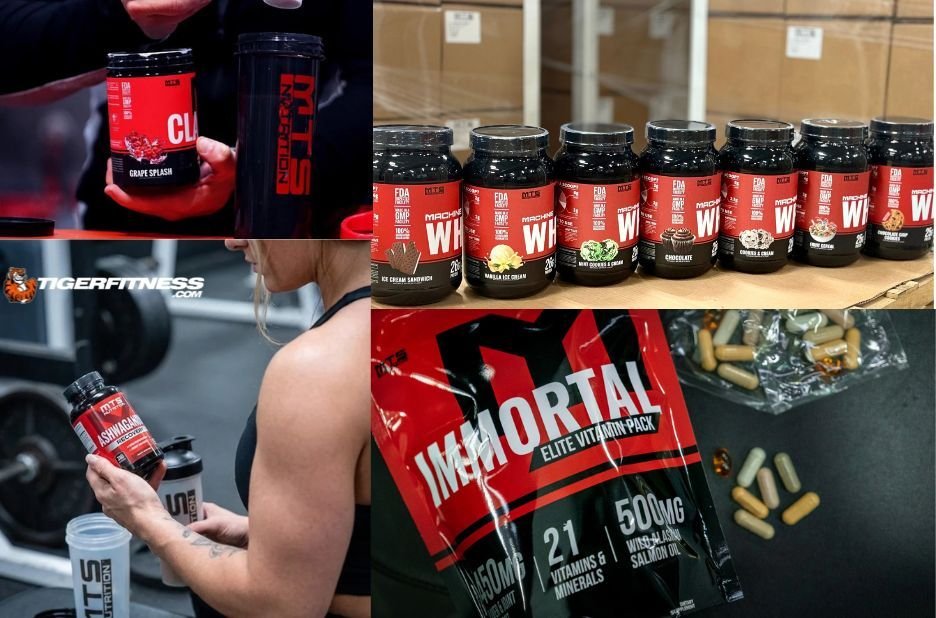
Local Guide to Choosing Protein Powder for Muscle Gains
Start With Your Training Goals and Local Routine
Building strength and developing lean muscle usually comes down to consistent lifting and consistent nutrition, not quick fixes. When you’re training with a local gym schedule, your nutrition plan needs to fit real life—work hours, commute time, and meal prep habits. That’s why protein protein powder for muscle gain powder for muscle gain options are useful: they help you hit your daily protein target even when your day gets busy. A steady intake supports muscle repair after workouts and can make progression feel more sustainable.
Before choosing a container, map your routine. If you lift in the morning, a ready-to-mix shake can replace a skipped breakfast and reduce the temptation to under-eat. If your workouts are later, consider a post-session shake or an easy protein snack before your next meal. For many people, the “best” choice is the one that you’ll actually use consistently, because adherence matters as much as the label.
Compare Ingredients, Protein Quality, and Digestion
Not all powders are built the same, and ingredient quality affects both results and comfort. Look at the protein source—whey, casein, or plant blends—then review the amino acid profile, especially leucine, which plays a key role in muscle protein synthesis. Whey best protein powder protein powders are commonly used because they digest relatively quickly and are convenient around workouts. Casein tends to digest more slowly, which can work well for people who want a longer-lasting protein option between meals.
Digestibility is another local-reality factor, especially if you train often and don’t want stomach discomfort to derail your week. If you notice bloating or heaviness, test smaller servings and consider switching protein types. Plant-based powders can be a good alternative, but you’ll want to check that the blend provides enough complete protein and that the total protein per serving matches your goals. Also review added ingredients like sweeteners, thickeners, and fiber; these can change taste and texture, and they may help or hinder your daily tolerance.
Match Texture, Flavor, and Timing to Your Day
Flavor preferences vary widely, so think about how you’ll consume it: mixed with water for speed, blended into milk for creaminess, or stirred into oatmeal for a thicker meal. If you train with a busy schedule, a powder that mixes smoothly can save time and make shakes easier to repeat. Consistency is a strategy, and taste is part of the strategy.
Timing can also support muscle gain without making your routine complicated. Many lifters use a shake soon after training to help meet protein needs during recovery, while others spread protein across the day with measured servings. If you struggle to reach protein with whole foods alone, a mid-afternoon shake can be an easy solution that fits between work and dinner. For meal replacement moments, consider pairing the shake with a balanced plate of carbs and fats to help fuel training and recovery.
Conclusion
Choosing the right supplement is a practical decision: pick a protein source you tolerate well, hit your daily intake consistently, and keep your routine aligned with your local schedule. When you compare labels for protein per serving, amino acid quality, and ingredient simplicity, you reduce guesswork and improve the odds that the product will work for your body. Taste, mixability, and serving size matter because they determine whether you’ll actually use the powder week after week. If you’re looking for a straightforward way to support training nutrition, Tiger Fitness Inc. Building strength works best when workouts and nutrition work together, and a reliable shake can bridge the gap on hectic days. Use your lifting plan as the anchor, then let a consistent protein routine do the supporting work.