Understanding the Difference Between Snus and Vape Products
Online searches about nicotine products often bring several different categories together. Vapes, traditional snus and nicotine pouches can all appear in the same search results, but they are not interchangeable products. Their routes of use, physical formats and relevant terminology are different. Understanding those differences makes online research easier and helps adult consumers identify the information that applies to the product they are actually considering.
A common starting question is what is snus. Traditional snus is an oral tobacco product traditionally associated with Sweden and is normally placed under the lip. It does not require an electronic device, battery, heating coil or e-liquid. This makes it fundamentally different from vaping, where electronic hardware heats e-liquid to create an aerosol for inhalation.
Vaping devices themselves are available in several formats. Refillable pod systems require compatible e-liquid, while prefilled systems arrive with liquid already supplied. Some models use replaceable pods and rechargeable batteries, while others use different constructions. These differences affect how a product is charged, maintained and replaced, so the exact model specification matters.
Capacity is one of the most visible specifications in vape shopping. A device advertised at approximately 4,000 puffs is generally presented as a compact product with a higher estimated capacity than smaller devices. The figure remains an estimate because individual users take different draw lengths and use devices at different frequencies. It should therefore be used for comparison rather than treated as a guaranteed lifespan.
The 4000 puff vapes category shows why capacity alone does not tell the whole story. Products around the same advertised figure can have different flavours, nicotine strengths, charging arrangements and pod designs. A shopper should check the complete product description before deciding whether a particular device fits their requirements.
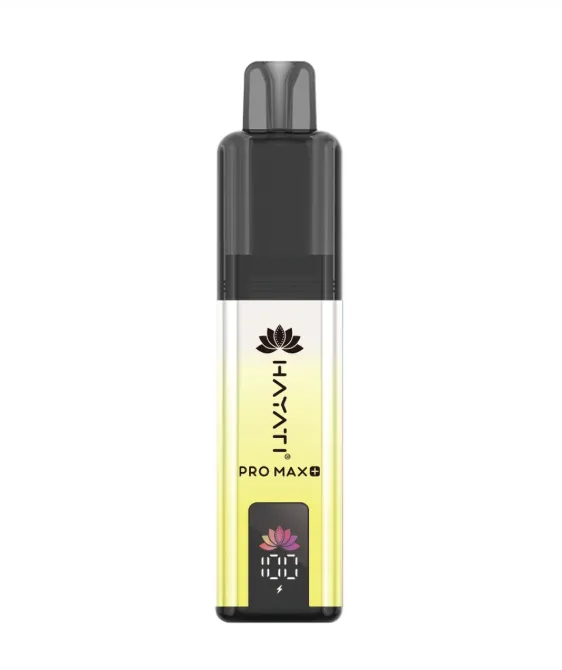
Another useful example is the Hayati pro max plus, which is listed as a prefilled pod kit with an advertised capacity of up to approximately 6,000 puffs. Its product information includes details such as USB-C charging and an integrated mesh coil. These specifications demonstrate how a higher-capacity product can still be assessed using the same basic comparison criteria as a smaller pod system.
Flavour terminology can create further confusion. A fruit or mint flavour in a vape describes the character of the e-liquid and resulting aerosol. An oral product does not produce vapour at all. Similar flavour words can therefore appear across different nicotine categories without making those products equivalent. The first question should always be what type of product is being described.
Nicotine strength is also separate from puff capacity. A device with more advertised puffs does not automatically have a higher nicotine concentration. Capacity describes estimated use, while nicotine strength describes another characteristic of the formulation. Clear product pages should present these specifications separately so that consumers can understand exactly what is being offered.
For retailers and publishers, precise terminology has practical value. Educational content can explain that traditional snus is an oral tobacco product, nicotine pouches are a separate oral nicotine category, and vaping products use electronic devices. Clear definitions help readers navigate product pages and reduce the chance of confusing unrelated categories simply because all of them are associated with nicotine.
Product compatibility is another important consideration for vape users. Prefilled replacement pods are normally designed for specific devices, and similar-looking products are not necessarily compatible. Checking the exact model name before ordering replacement pods can prevent mistakes. This is particularly useful when a brand offers several devices with similar branding or different generations.
UK retailers also operate within a regulated environment. Government guidance states that from 29 October 2026, vaping and nicotine products cannot be sold to anyone under 18, including through online retail. Retailers need appropriate age-verification processes and should provide accurate product information. The same regulatory environment makes clear terminology particularly important when different nicotine categories are discussed together.
For adults researching these products, the simplest approach is to identify the category first and then compare the specifications relevant to it. Someone researching snus needs information about an oral product, while someone researching a vape needs information about hardware, capacity, nicotine strength, charging and pod format.
The main lesson is that product terminology matters. Vapes and snus may appear together in search results, but they work differently and should not be treated as identical products. Clear descriptions allow adult consumers to understand what they are researching before comparing individual brands and devices.