Smart Budgeting Tips: Manage Money with Finance Apps
Managing money effectively has become easier with the help of finance apps and digital technology. In today’s digital world, people are using mobile applications, online banking tools, and AI-powered financial platforms to track spending and improve their budgeting habits. Smart budgeting is no longer limited to writing expenses in notebooks; instead, technology offers automated solutions for financial planning.
Smart budgeting techniques help individuals monitor their income, control expenses, and achieve financial goals more efficiently. With the rise of personal finance apps, budgeting has become more organized, accurate, and accessible. In this article, we will explore smart budgeting techniques using finance apps and technology and how digital tools can help people manage their money better.
Understanding Smart Budgeting in the Digital Age
Smart budgeting refers to using technology and digital tools to manage income, expenses, and savings effectively. Unlike traditional budgeting methods, modern financial tools offer automated tracking, expense categorization, and financial insights.
Finance apps analyze spending patterns and help users understand where their money is going. These apps also send alerts and reminders that encourage better financial habits. With the help of smart technology, individuals can make informed financial decisions and maintain better control over their finances.
Key features of smart budgeting tools include:
-
Automatic tracking of income and expenses
-
Real-time financial reports and insights
-
Budget alerts and notifications
-
Integration with bank accounts and digital wallets
These features make budgeting easier and more efficient for users.
The Role of Finance Apps in Personal Budgeting
Finance apps have revolutionized personal money management. These apps allow users to track expenses, create budgets, and monitor savings goals directly from their smartphones. Many apps also provide visual dashboards that display financial data in easy-to-understand charts and graphs.
By using finance apps regularly, individuals can stay aware of their spending habits and identify unnecessary expenses. This awareness helps people make better financial choices and improve their financial stability.
Benefits of finance apps for budgeting include:
-
Easy expense tracking and financial monitoring
-
Automatic categorization of spending
-
Financial goal setting and progress tracking
-
Better financial awareness and control
These advantages make finance apps valuable tools for modern money management.
Setting Clear Financial Goals with Technology
Setting financial goals is an important part of successful budgeting. Technology helps individuals define realistic goals and track their progress over time. Many finance apps allow users to create specific goals such as saving for travel, building an emergency fund, or paying off debt.
By setting clear financial targets, individuals can stay motivated and focused on managing their money wisely. Digital tools also provide progress updates that encourage users to continue following their budgeting plans.
Examples of financial goals people set include:
-
Saving for emergencies or unexpected expenses
-
Paying off credit card or loan debt
-
Building long-term investment funds
-
Planning for future purchases or travel
Using technology to track financial goals makes budgeting more structured and effective.
Tracking Expenses Automatically
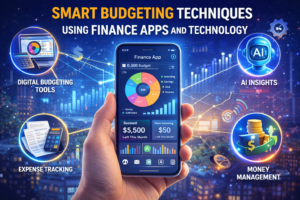
One of the most useful features of finance apps is automatic expense tracking. These apps connect to bank accounts or digital wallets and record transactions automatically. This eliminates the need for manual entry and reduces the chances of missing expenses.
Expense tracking helps users identify spending patterns and understand where their money is going each month. With clear financial data, individuals can adjust their budgets and reduce unnecessary spending.
Advantages of automated expense tracking include:
-
Accurate financial records
-
Easy monitoring of daily spending
-
Identification of unnecessary expenses
-
Improved financial discipline
This feature helps users stay organized and maintain better control over their finances.
Using AI and Data Insights for Better Budgeting
Artificial intelligence is playing a growing role in personal finance management. AI-powered finance apps analyze spending behavior and provide personalized recommendations for better budgeting.
For example, these apps may suggest reducing certain expenses or increasing savings based on spending patterns. AI tools also help predict future financial trends and provide insights that support smarter financial decisions.
Examples of AI-powered budgeting features include:
-
Personalized financial recommendations
-
Spending trend analysis
-
Predictive budgeting insights
-
Automated savings suggestions
These technologies help users optimize their budgeting strategies and improve financial management.
Creating Monthly Budgets with Digital Tools
Monthly budgeting is one of the most effective ways to manage personal finances. Finance apps allow users to create detailed budgets that allocate money to different expense categories such as housing, food, transportation, and entertainment.
Digital budgeting tools make it easier to adjust budgets as needed. If spending in one category increases, users can quickly update their budget to maintain balance.
Common budget categories include:
-
Housing and utilities
-
Food and groceries
-
Transportation and fuel
-
Entertainment and leisure
By organizing expenses into categories, individuals can manage their finances more effectively.
Saving Money Through Automated Features
Technology also helps individuals save money automatically. Many finance apps offer automated savings features that transfer small amounts of money into savings accounts regularly.
These automated transfers encourage consistent saving habits without requiring manual effort. Over time, small contributions can grow into significant savings.
Popular automated saving techniques include:
-
Automatic transfers to savings accounts
-
Round-up savings from daily purchases
-
Scheduled monthly savings plans
-
AI-based saving recommendations
These features help individuals build savings without feeling financial pressure.
Security and Privacy in Finance Apps
While finance apps offer many advantages, security and privacy are important considerations. Financial apps handle sensitive data such as bank details and transaction records, so strong security measures are essential.
Most modern finance apps use encryption, two-factor authentication, and secure servers to protect user information. Users should also choose trusted apps and keep their devices secure.
Tips for safe financial app usage include:
-
Using strong passwords and authentication methods
-
Downloading apps from trusted sources
-
Keeping devices updated with security patches
-
Avoiding public Wi-Fi for financial transactions
Taking these precautions ensures safe and secure financial management.
The Future of Digital Budgeting
The future of budgeting will be shaped by advanced technology and artificial intelligence. As financial technology continues to evolve, budgeting tools will become even more personalized and efficient.
Future finance apps may integrate with smart assistants, provide deeper financial insights, and offer automated investment options. These innovations will make financial management more convenient and accessible for everyone.
Future trends in digital budgeting include:
-
AI-driven financial planning tools
-
Integration with smart home and voice assistants
-
Real-time financial forecasting
-
Advanced investment management tools
These developments will further transform the way people manage their finances.
Conclusion
Smart budgeting techniques using finance apps and technology have made personal money management easier and more effective. Digital tools help individuals track expenses, set financial goals, and create organized budgets that support long-term financial stability.
With the help of automated features, AI insights, and secure financial platforms, budgeting has become more accessible than ever. By adopting smart financial tools and maintaining disciplined spending habits, individuals can achieve better financial control and build a stronger financial future.
Read more : engahmedgamal.com